
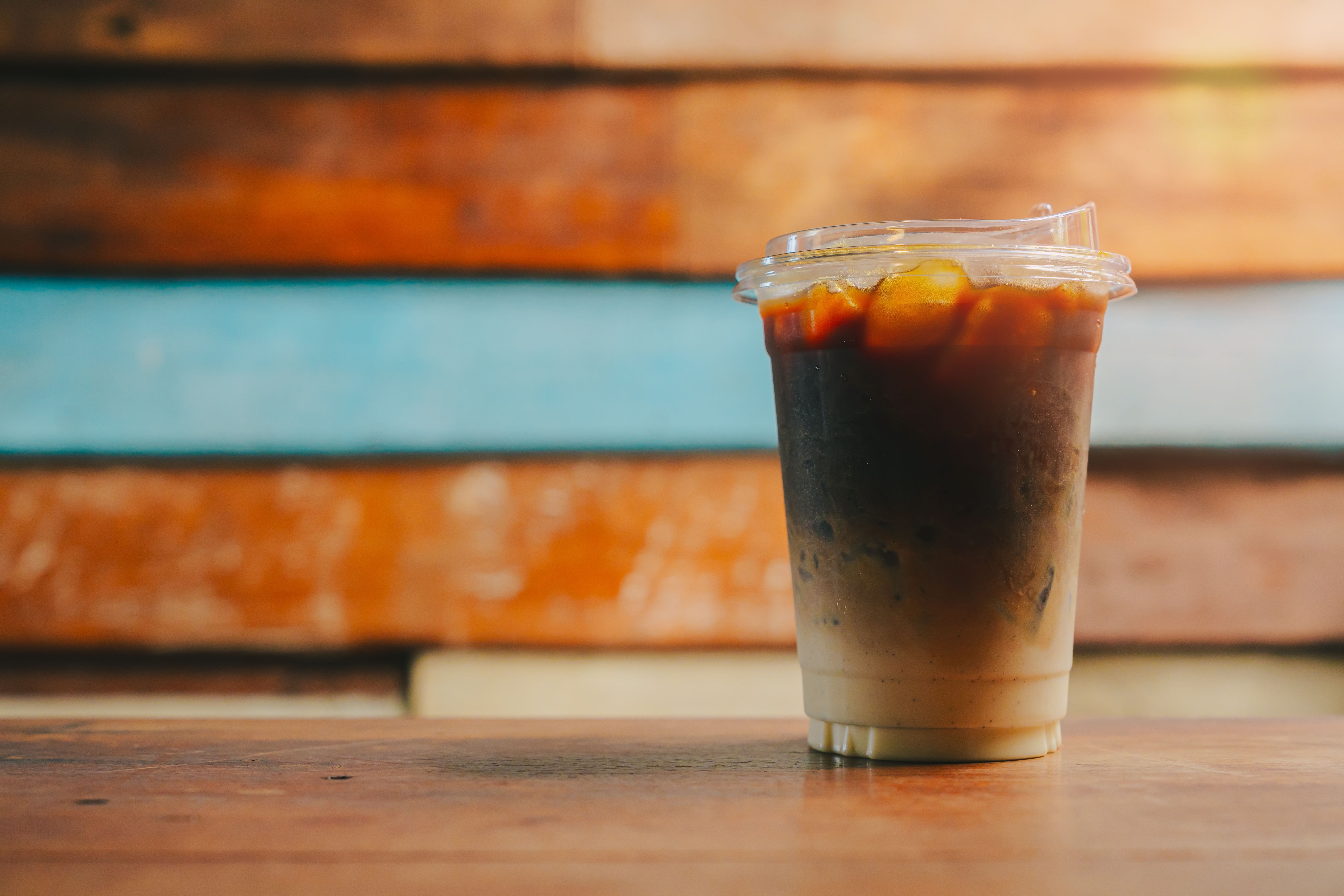
Increasingly, when I go to order an iced coffee from a local cafe, I see a familiar label on the plastic takeout cups—something related to "green," "eco-friendly," or "compostable"—not something I typically associate with plastic takeout cups.
Ideally I'm asking the barista to pour my drink into my own stainless steel mug, instead. But if I don't, are those green-label plastic products a safe choice for the landfill? The recycling stream? The backyard compost bin? Let's find out.
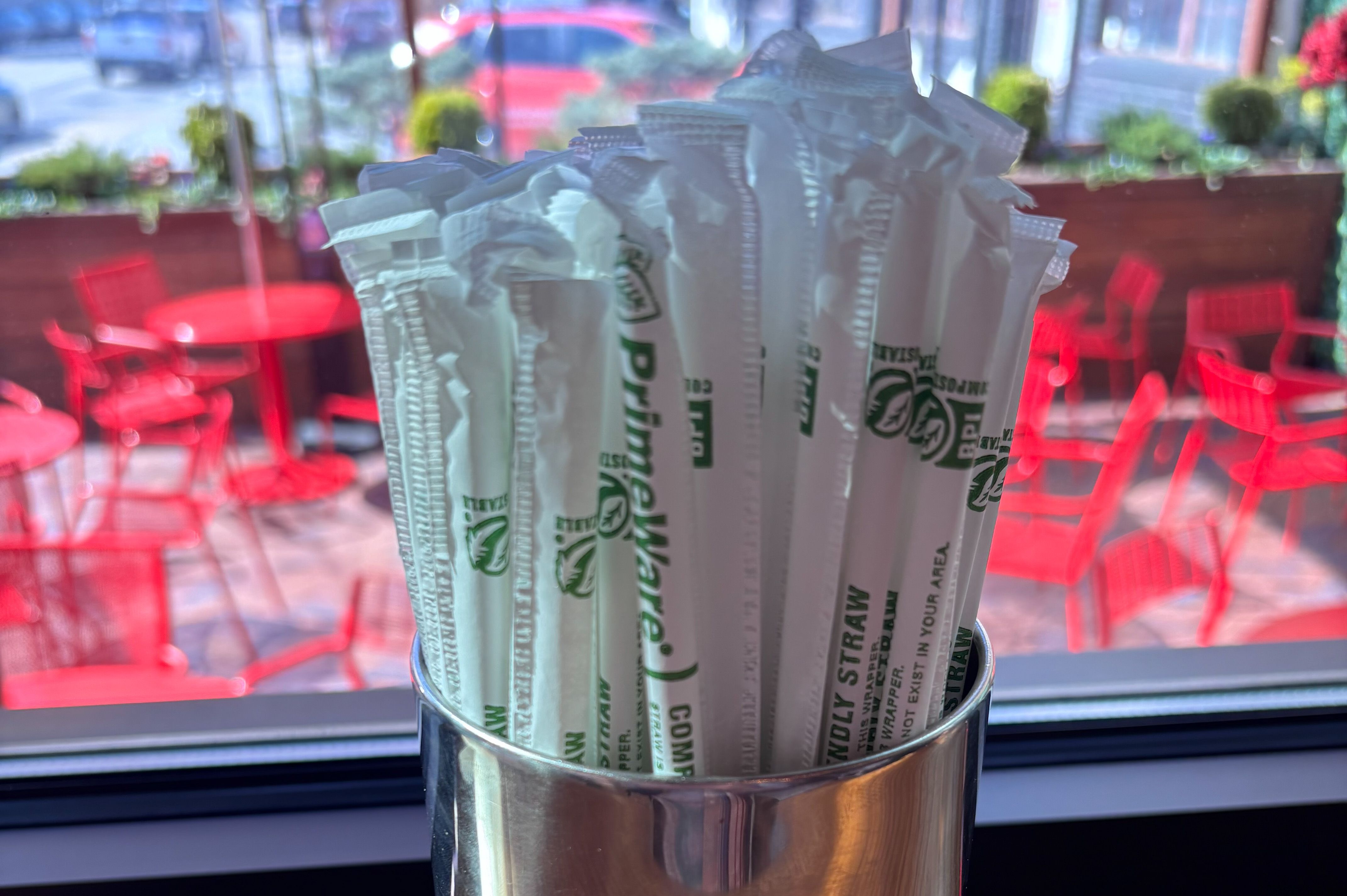
While there are a number of brands that label their products in this way, for the most part any sort of bioplastic you find will typically be made from polylactic acid, or PLA. This is a synthetic polymer that's derived from sugars rather than petroleum—which is a point in favor by that fact alone.
The process for creating PLA usually begins with starch (from corn or potatoes or other starchy produce), which is processed into simple sugars like glucuse through fermentation, and yields lactic acid. From there the lactic acid is polymerized much in the same way as standard plastic production, through industrial condensation and other processes. The plastic product that results is often a biodegradable product—something that can be broken down by microorganisms in a matter of months rather than the hundreds of years of degradation that petroleum-based plastics undergo.
But there's a catch.
PLA plastics are typically only compostable in industrial composting facilities, which contain specific conditions that you can't replicate in a backyard system—let alone breaking down in soil alone like an apple core. If these bioplastics end up in one of those scenarios, or a typical landfill waste stream, or in the recycling bin, they're destined for the same afterlife as all the other slow-degrading plastics. In other words, they'll become part of the problem.
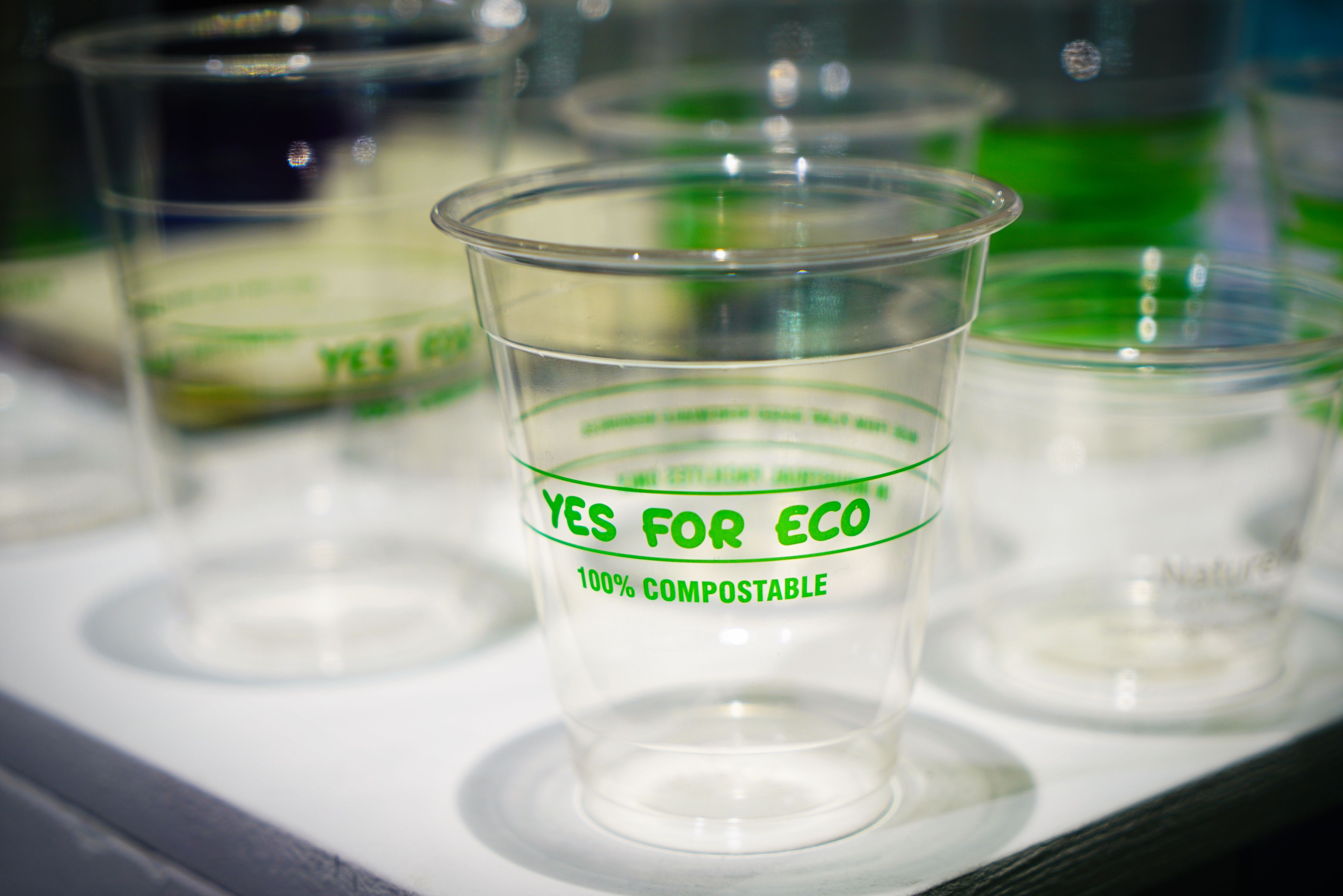
The typical bioplastic you find at your local coffee shop is likely not going to move the needle in curbing plastic waste and reducing the proliferation of microplastics. I don't even know where my local industrial composting facility is. What's more, bioplastics can't be recycled like regular plastics (which are alread only recycled less than 10% of the time).
What could help is if the shops selling these plastics take ownership of the waste stream, collecting those cups in their own waste bins and depositing them at the composting facility. But they can't control where people take their to-go cups and which waste bin they end up in.
So where does that leave us?
If we could magically replace all current and future petroleum-based plastic with a bioplastic like PLA, that would certainly be a better outcome for the planet and the creatures living on it. But it wouldn't solve the problem—we're talking an incremental improvement through reduce fossil fuel reliance and, yes, some amount of plastic that might be composted back to the soil.
But if you have the choice between a PLA cup, a polypropylene cup, or a paper cup? Paper wins out, without question. Even better, use and reuse your own glass or stainless steel container. Those options are widely available and easy to take with you. Until a home compostable, biodegradable plastic cup becomes widely available, this is a category where you're better off trying to ditch any plastic altogether, bio or otherwise.
Disclaimer: I write all blogs the old-fashioned way—with my own brain, not with AI.