
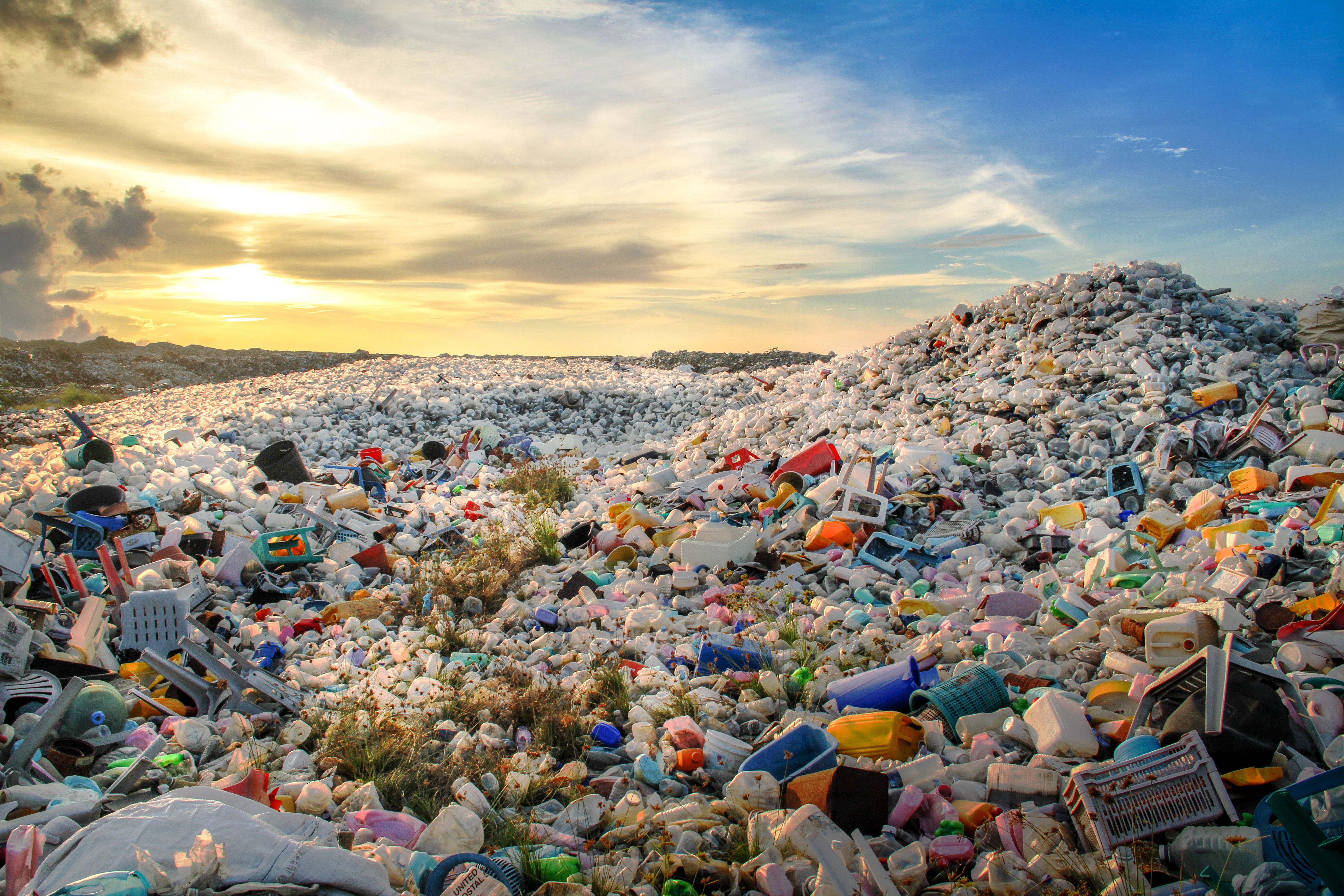
Greenwashing. Wishcycling. Net zero. The sustainability movement isn't immune to the kinds of misleading claims or outright grifting that any other industry faces. For years, the plastic industry fed the public a narrative that it was our responsiblity to recycle—that plastic could easily be repurposed and reused ad infinitum, just as long as we sort the milk cartons from the soda cans.
Not only was that a lie—there is only a narrow range of plastic that can be recycled and only under certain circumstances—it was also cover for the plastic industry to continue to flood the supply chain with cheap, petroleum-based, single-use plastics while putting the onus on the consumer to clean it up.
We know better now—and if you don't know, now you know—but it does beg the question: If all this plastic isn't getting recycled, where is it going?
The answer, friend, is: all around us.
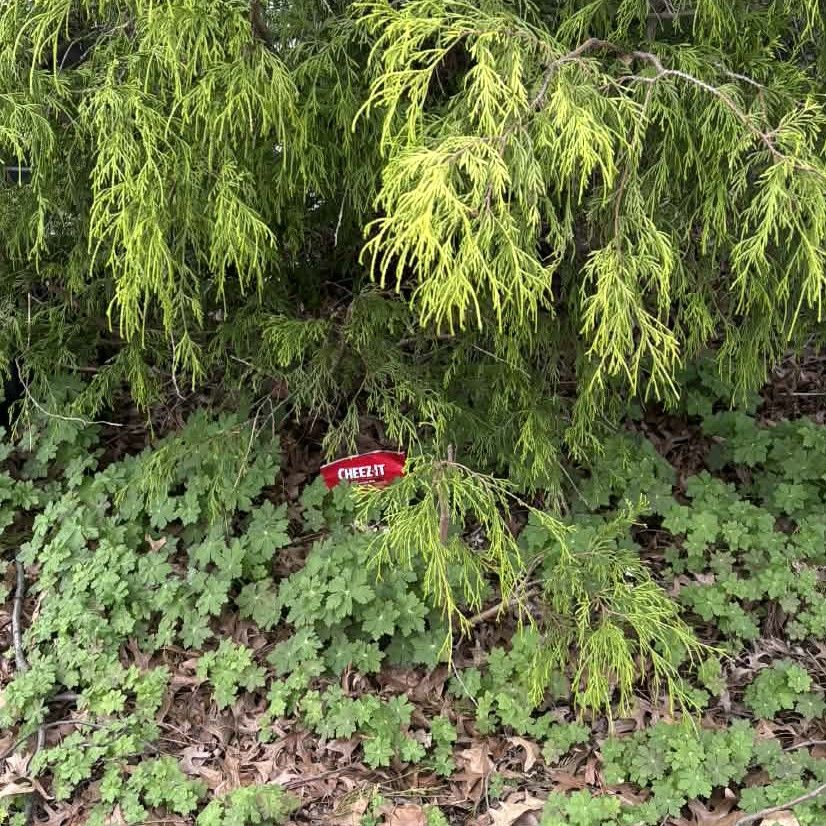
According to the UNDP, only around 9 percent of plastic waste is recycled each year. Another 70 percent ends up in landfills or, like the Cheez-It package above, dispersed in nature.
The reason more plastic isn't recycled comes down to a few factors, including contamination from the products within (like laundry detergent coating the jug); the chemical makeup of the plastic itself which may or may not lend well to reuse; and the fact the collecting, sorting, and processing plastics correctly is a massive undertaking with a high price tag. Consider that green and clear PET plastics cannot be recycled together in the same stream. Many of these materials categorized as "plastic" are in fact chemically dissimilar, and require separate, bespoke processing. Even if the political will were there, the budget and infrastructure may not be.
Moreover, most of the time plastics are only recycled once or twice. The idea of an infinitely reusable material is fiction: plastic degrades with each reprocessing, and soon reaches a state that cannot be recycled further.
Then consider your own waste bin: How often are you washing and separating the aluminum, paper, and plastic? How often do you separate your diswasher soap bottle from your orange juice? If you're like me, the answer is: not nearly often enough. To be clear, at Greencomber, we don't think the onus should be on the consumer to pre-process plastics for recycling. We also don't think the onus should be on the municipality to put in place robust, expensive processing plants. We lay blame on the oil, gas, and chemical industries for not handling the waste streams they thrust upon the market. And we think everyone should, whenever possible, choose nonplastic products at the checkout aisle.
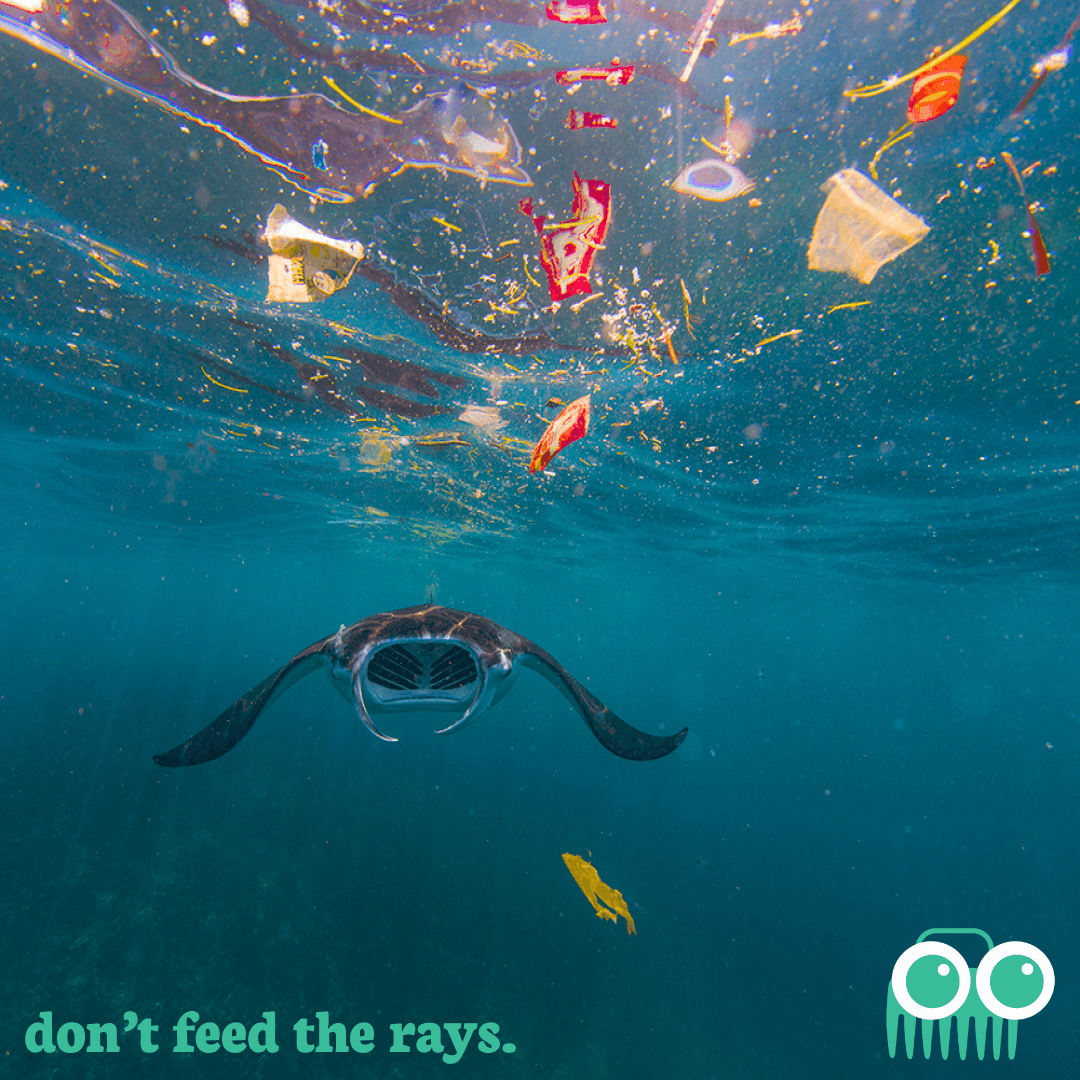
Plastic waste that isn't recycled is destined either for the landfill or the incinerator. Both options are bad.
Incineration produces two tons of CO2 for every ton of plastic burned, according to figures cited by Greenpeace. And a study published in the National Library of Medicine found that incineration still leaves behind bottom ash that contains as much as 100,000 particles per metric ton of bottom ash. It's also worth noting that plastic burning globally regularly occurs outside regulated, industrial incinerators.
Landfills also produce greenhouse gas emissions as plastic leaches and degrades through exposure to the UV, chemical and biological processes present. They're a massive contributor to microplastic pollution, especially as plastic refuse erodes or is carried off by wind or animals. And landfill groundwater leaches chemical byproducts into soil and streams. These processes can take years, decades, or centuries, and the constant influx of new waste into the stream means there is effectively an always-on pollution and carbon emissions machine. As another NLM publication states, "there is no such thing as an end to the impact of plastics within a typical human lifespan."
Landfills constitute an always-on pollution and carbon emissions machine.
It's entirely plausible that only a handful of the plastic waste you drag to the curb each week actually makes it to an honest recycling plant and ends up forming some new product. But even then, those secondhand plastics are probably not fit for the recycling stream once they turn back into garbage.
There is no good way to get rid of plastic. While some enzymatic, fungal, or biological processes show some promise in their ability to safely and sustainable degrade plastic waste, a large-scale, economical, long-term solution is nowhere in sight.
But an ounce of prevention is worth a pound of cure. And a single nonplastic consumer purchase is worth more than its weight in CO2 and microplastic output. According to the Center for International and Environmental Law, in 2019, the production and incineration of plastic generated the same amount of carbon emissions as 189 five-hundred-megawatt coal-fired power plants. And the amount of plastic waste is set to triple by 2060—without significant intervention—according to the OECD.
None of us can be that intervention alone, but each of us is responsible to do our small part to become that intervention collectively. It comes down to every decision we make about what we choose buy and therefore what we choose to throw away. It starts with your next purchase. Make it nonplastic.
Disclaimer: I write all blogs the old-fashioned way—with my own brain, not with AI.