
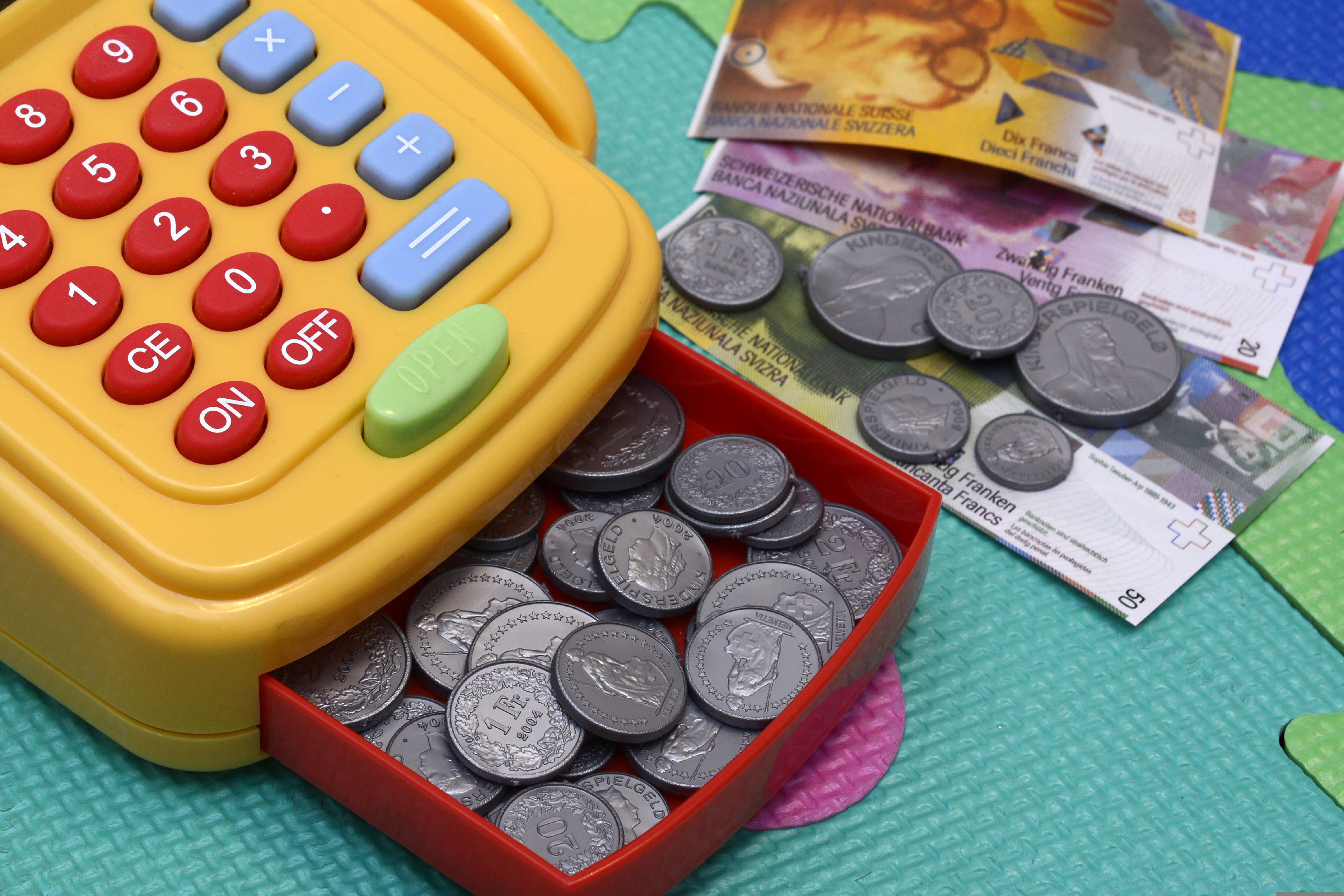
Browse the Amazon consumer goods pages and compare that with nonplastic alternative sites like the ones surfaced on this website and you may notice a trend: The plastic stuff seems to be cheaper. Indeed most folks presume that any item tagged with "eco-," "green," "sustainable," "cruelty-free," "plastic-free"—you get the point—will come with a higher price tag.
Is it simply the case that we must pay a premium for higher-quality materials? Maybe so—but why don't we flip the question around and ask, why are single-use plastics so cheap? Why are products with an ingredients or materials list longer than a CVS receipt more economically viable than sustainable goods?
To answer this we have to examine the economics of production, along with how we define 'economical.'
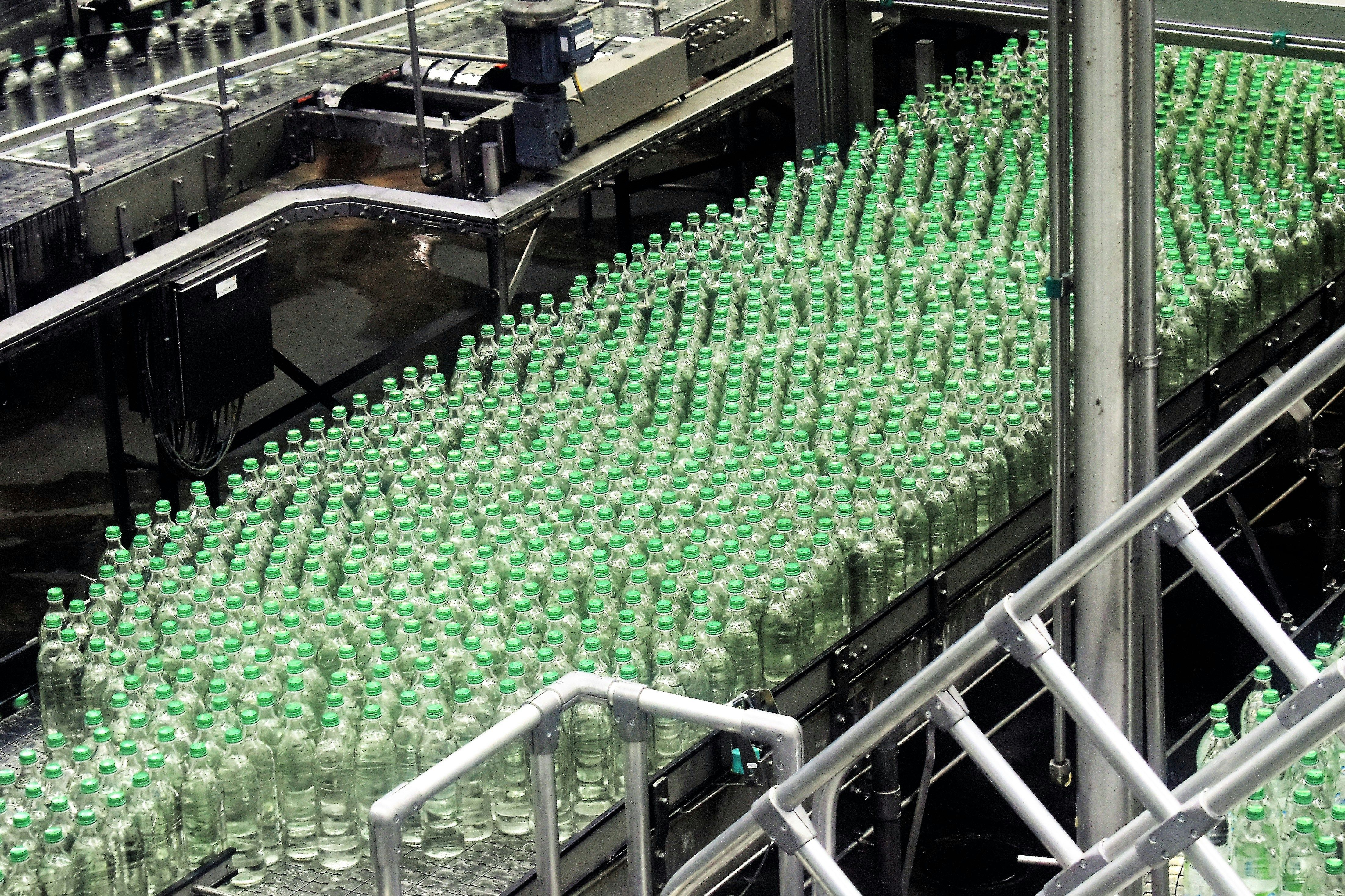
It's first worth pointing out that plastic itself is essentially a byproduct of fossil fuel production. Ethylene and propylene result from the process used to refine crude oil into end products like gasoline and naphtha; from there, various different types of polymerization techniques manipulate the ethylene and propylene chains to produce polyethylene, PVC, nylon, polyester, and so on. That means the fossil fuel industry and the economics that drive oil and gas production also prop up the plastics industry, supplying the raw inputs at zero overhead cost.
But it isn't just the inputs that come with minimal investment. The manufacturing process—most notably injection molding—enables many types of consumer products to be manufactured at scale with a low cost per unit.
That's why plastic recycling ends up being a vastly more complex and expensive motion than simply manufacturing virgin plastic. It's what makes possible the production of upwards of 400 million metric tons of new plastic each year, according to the IUCN.
Consumers don't see the crude oil fields, the toxic fumes and chemical manufacturing inputs, the silos full of plastic pellet nurdles, the blast furnaces, the assembly lines. They see a plastic lawn chair that will do the job for $19.99 at Walmart. Similarly they don't see where that lawn chair ends up once it cracks and breaks down. Those are externalities—costs borne by other unrepresented groups, or by all of us at large. And the costs are real, both in dollars and cents (clean up projects, healthcare, landfill maintenance, incinerators) and in terms of the long-term degradation to our environment and our own bodies.
Buying replacements year in and year out is not good economics.
Certainly some plastic products come at a lower per-unit cost than nonplastic counterparts. Heck, stores usually hand out plastic bags for free—you have to actively turn them down (which you should do!) unless you live in a municipality that charges for or outright bans plastic bags. But even taking externalities out of the equation, there are factors like durability and effectiveness to consider. The plastic lawn chair is cheap, but it won't last as long as a wooden or metal one. Buying replacements year in and year out is not good economics.
Much of what we buy comes down not only to choices about cost and budget but also about convenience and habit. If you have truly itemized your monthly budget for household goods in order to make ends meet, I can't begrudge your choices. But for many of us, the decision to buy handsoap dispensers month after month instead of one glass dispenser once and cheap tablet refills from then on is a matter of allowing our lives and decisions to run on autopilot.
Plus, plastic products are actually not always the cheapest option even in the checkout aisle alone. In that example above, Blueland cites its handsoap tablets as costing $0.08 less per ounce than Dove's plastic handsoap dispenser. Cardboard detergent powder containers are cost-effective alternatives to heavy liquid jugs. Bulk groceries like nuts or coffee don't come at a cost premium and provide more personalized, flexible portioning.
But overall, the best way to reduce cost and our plastic footprint is to ask ourselves: Do I really need this item, in this format?
And if you can't find a nonplastic version of the thing you do need, let Greencomber help.
Disclaimer: I write all blogs the old-fashioned way—with my own brain, not with AI.